Digital Product Design Services: What They Include and When You Need Them
Digital product design services sit behind almost every app, dashboard, and online tool that people actually enjoy using. Most business owners only think about this discipline once something has already gone wrong. Customers abandon a signup flow. Support tickets pile up over a confusing feature. A competitor launches something that simply feels easier to use, and your users start drifting.
By that point, the cost of fixing the problem is far higher than the cost of designing it correctly from the start. This guide explains what digital product design services actually include, when a growing business genuinely needs them, and how to judge a quote from user experience design firms before you commit.
Why Product Design Is a Revenue Decision, Not a Visual One
Treat product design as decoration, and you will underinvest in it. Treat it as a revenue lever, and the case becomes obvious.
Every digital product has a job. A checkout flow needs to complete purchases. A dashboard needs to help a user finish a task without support. An app needs to bring people back tomorrow. Good design makes each of these more likely. Poor design adds friction at exactly the point a customer was ready to act, and friction is where revenue quietly leaks away.
The evidence backs this up consistently. Users judge trust and credibility on design within moments of arriving. Confusing navigation drives people to a competitor before they ever explain why. Every extra step in a flow loses a percentage of the people who started it. None of this is really about aesthetics. It is about how many of your visitors complete the action you built the product for.
What Digital Product Design Services Actually Include
Strip away the jargon, and the discipline covers four connected stages. A serious provider delivers all four as one system, not as separate add-ons.
1. User research
Before any screen is drawn, good user experience design services start by understanding who will use the product and what they are trying to achieve. This includes interviews, behaviour analysis on any existing product, and mapping the journey a user takes from first contact to completed goal. Skip this stage, and every later decision is a guess dressed up as a design choice.
2. UX design: the structure
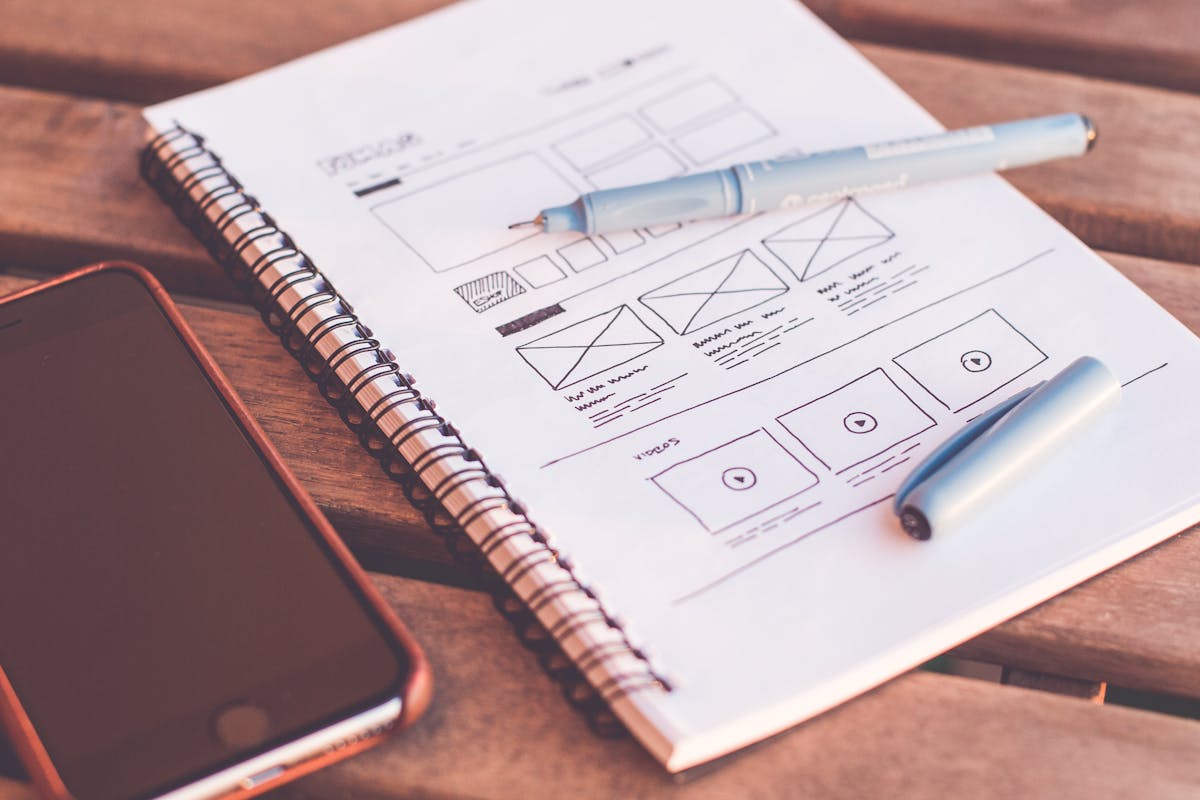
User experience, or UX, is the skeleton. It covers information architecture, user flows, and wireframes that map exactly how someone moves through the product. This stage decides whether a task takes three taps or twelve. It is invisible when done well and painfully obvious when it is not.
3. UI design: the surface
User interface, or UI, is what people actually see and touch. Visual hierarchy, typography, colour, spacing, and interactive states all sit here. Strong UI makes the structure underneath it easy to read at a glance. This is also where brand consistency lives, so the product looks like it belongs to your business rather than a generic template.
4. Testing and iteration
Design does not end at handoff. Usability testing with real users, prototyping before expensive development begins, and iteration based on actual behaviour separate professional product design from guesswork. A provider who ships a design without testing it is asking your customers to be the test group instead.
When a Business Actually Needs These Services
Not every business needs a full product design engagement immediately. The signal is usually one of these four situations.
You are building something new. A new app, portal, or digital tool needs UX and UI work from day one. Retrofitting good design onto a poorly structured product costs more than building it properly the first time, in the same way that fixing a house's foundation after the walls are up costs more than getting it right before laying bricks.
Users are dropping off at a specific point. If your analytics show people abandoning a signup form, a checkout page, or a particular screen, that is a design problem with a measurable fix. This is often the fastest return on investment in the whole discipline, because you are repairing a known leak rather than guessing at improvements.
Your product has grown faster than its design. Many products accumulate features over time without anyone stepping back to reconsider the whole experience. The result is a cluttered, inconsistent interface that used to make sense and no longer does. A design review at this stage often uncovers quick wins alongside longer-term fixes.
You are entering a competitive market. When several providers offer a similar core service, the product that feels easiest to use often wins the customer, regardless of which one is technically superior. Design becomes the differentiator once features are roughly equal.
How User Experience Design Firms Price Their Work
Cost varies by scope, and understanding the shape of a quote matters more than comparing headline numbers.
Discovery and research are usually priced separately or as a fixed initial phase, because the length of this stage depends entirely on how much is already known about your users. Skipping it lowers the quote and raises the risk that the eventual design solves the wrong problem.
UX and UI design for a defined set of screens is typically quoted per screen or per flow, since a five-screen mobile app design costs meaningfully less than a forty-screen web platform. Ask exactly how many screens or flows a quote covers before comparing two providers, because this single detail explains most of the price difference between them.
Ongoing app design services for products that ship regular updates are often sold as a monthly retainer rather than a one-off project, since the design work never really finishes for a product that keeps evolving.
The cheapest quote is rarely the best value here. A design that looks acceptable but was not tested with real users tends to generate the same conversion problems it was meant to solve, just with better visuals. Judge every quote on what testing and research it includes, not only on the number of screens delivered.
How to Choose the Right Provider
Four questions separate genuine user experience design firms from providers who will simply hand you a set of screens.
Do they start with research, or with screens? A provider who wants to jump straight to wireframes without understanding your users is skipping the stage that makes everything else effective.
Can they show outcomes, not just portfolios? Attractive interface screenshots are easy to produce. Ask what happened to conversion rates, task completion times, or support tickets after a past project shipped.
Do they test before you build? Prototyping and usability testing before expensive development work begins is what separates professional product design from expensive guesswork. If a provider goes straight from design files to a development handoff with no testing step, that risk transfers to you.
Will they explain their decisions? Every meaningful design choice should have a reason tied to user behaviour or a business goal. A provider who cannot explain why a screen is built the way it is has probably not thought it through as carefully as the invoice suggests.
What This Means for You
Digital product design services are not a cosmetic upgrade. They are the mechanism that decides how many of your visitors complete the action your product exists to enable. The businesses that treat design as infrastructure, reviewed and improved continuously, consistently outperform those that treat it as a one-off purchase.
At Sellable Marketing, our user experience and product design service follows exactly the structure covered in this guide: research first, UX and UI built as one connected system, and testing before anything ships to your users. We work with growing businesses across the UK and beyond who need agency-grade product design without an enterprise price tag.
Not sure whether your product needs a redesign or a fix? Book a free discovery call. We will review your current product against the four stages in this guide and tell you honestly what it needs first. No obligation, no jargon.
Frequently Asked Questions
1. What do digital product design services include?
A full engagement covers four stages: user research, UX design for the structure and flows, UI design for the visual interface, and testing before development begins. Some providers also offer ongoing design support for products that ship regular updates. Be cautious of any quote that skips research or testing.
2. What is the difference between UX and UI design?
UX is the structure: how a user moves through the product, how many steps a task takes, and where everything lives. UI is the surface: the visuals, typography, colour, and interactive elements users see and touch. UX decides whether a product works. UI decides how it feels while working.
3. How much do product design services cost in the UK?
It depends on the scope. Design work is typically quoted per screen or per flow, so a five-screen app costs far less than a forty-screen platform. Discovery and research are often priced as a separate initial phase. Always ask exactly what a quote covers before comparing providers.
4. How long does a product design project take?
A focused redesign of a specific flow can take two to four weeks. Designing a new app or platform typically takes six to twelve weeks, including research and testing. Timelines stretch most often when user research is skipped early and problems surface late, so the slower start is usually the faster route.
5. When should a business hire a product design agency?
Four signals: you are building a new digital product, users are dropping off at a measurable point, your product has grown cluttered as features accumulate, or you compete in a market where ease of use decides the winner. If any of these apply, design work will likely pay for itself.
Ask Sella anything about this article
NewGet personalised, AI-powered answers built on our team's trusted growth frameworks.
Ask anything about "Digital Product Design Services: What They Include and When You Need Them", or pick a quick action:
Tip: highlight any passage in the article to ask AI about that specific section.